
Damascus Securities Exchange
سوق دمشق للأوراق المالية
Syria's only stock exchange; founded in 2009 and headquartered in Damascus, it was reopened on 2 June 2025 after a six-month closure.
16 results for “مالية”
Syria's only stock exchange; founded in 2009 and headquartered in Damascus, it was reopened on 2 June 2025 after a six-month closure.
The regulator of financial markets and securities in Syria, established by Law No. 22 of 2005; it oversees disclosure and the companies listed on the Damascus Securities Exchange.
The ministry responsible for managing the state's public finances, fiscal policy and the general budget in the Syrian Arab Republic. Its official website is currently under development.
The government body responsible for financial control.
The official app of the Damascus Securities Exchange: tracking one's personal portfolio, share prices, alerts and company disclosures.
الجهاز المركزي للرقابة المالية هيئة حكومية مستقلة في الجمهورية العربية السورية تُعنى بحماية المال العام وتعزيز الشفافية والنزاهة في العمل الحكومي. يعمل الجهاز على ضمان خضوع الجهات العامة للقوانين والأنظمة النافذة بما يسهم في رفع كفاءة الأداء المؤسسي وتحسين الخدمات المقدمة للمواطنين. ويتيح موقعه خدمة تقديم الشكاوى والبلاغات ومتابعتها إلكترونيا.
A body affiliated with the Ministry of Finance, responsible for administering and collecting taxes and fees in Syria.
An independent body with judicial character at the Central Bank of Syria, created by Legislative Decree No. 59 of 2003, with its framework updated by Legislative Decree No. 33 of 2005. It acts as the national financial intelligence unit, receiving and analysing suspicious-transaction reports.
The ministry responsible for economic affairs and foreign trade in the Syrian Arab Republic. It was formed in March 2025 by merging the ministries of economy and foreign trade, internal trade and consumer protection, and industry; industry, internal trade and consumer protection were later split off under Decree No. 189 of 2026 (October) to become an independent ministry. On 18 November 2026, Engineer Ahmad Rawad Ramadan was appointed minister of the ministry under Decree No. 203 of 2026, succeeding Dr. Mohammad Nidal al-Shaar, who had held the post from 29 March 2025 until 18 November 2026 and moved to become advisor for economic and financial affairs at the Presidency under Decree No. 202 of 2026.
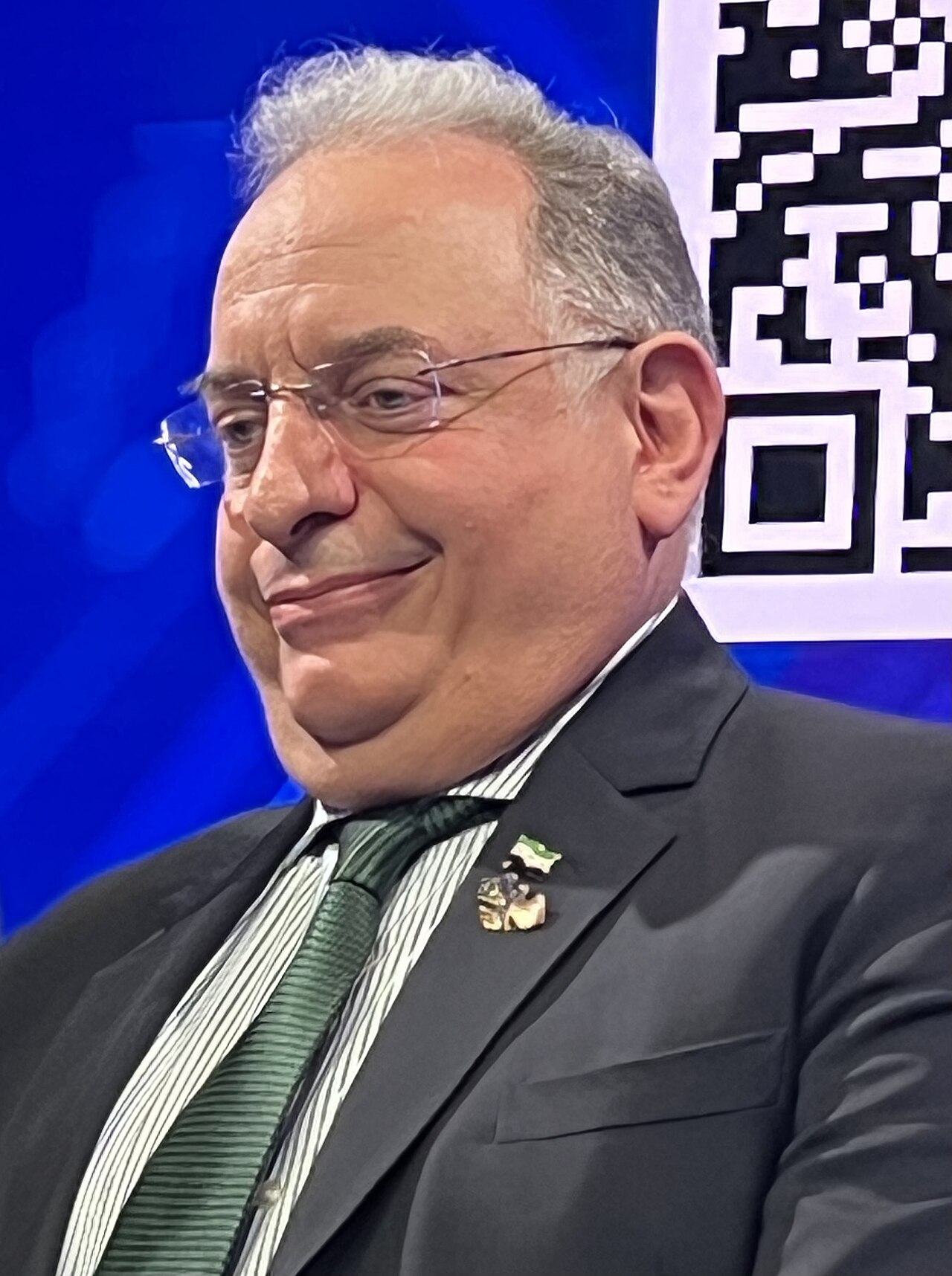
Minister of Finance in the Syrian transitional government since 29 March 2025. Born in 1967, he holds a degree in economics from Damascus University (1990) and is an expert in Syrian financial markets.
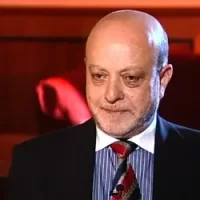
Advisor for Economic and Financial Affairs at the Presidency of the Republic since 18 November 2026 under Decree No. 202 of 2026. Former Minister of Economy and Foreign Trade in the Syrian transitional government (29 March 2025 – 18 November 2026); he had been minister of economy and industry until industry, internal trade and consumer protection were separated from it under Decree No. 189 of 2026. Born in Aleppo in 1956, he holds a PhD in economics from Georgetown University, previously served as minister of economy and trade (2011–2012), and was secretary-general of the Accounting and Auditing Organization for Islamic Financial Institutions (AAOIFI) and an expert at the World Bank.
The Consulate General of the Syrian Arab Republic in Dubai, serving Syrians residing in the northern emirates of the United Arab Emirates.
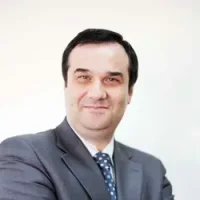
A Syrian economist and lawyer born in Damascus in 1961, an expert in public policy and financial reform; he was a former international partner at Ernst & Young and founded Husrieh & Partners financial consultancy. He served as governor of the Central Bank of Syria from 7 April 2025 to 15 May 2026 and oversaw the launch of the new Syrian currency and the removal of two zeros from it, then was appointed Syria's ambassador to Canada on 15 May 2026.
The diplomatic mission of the Syrian Arab Republic in North Korea. A record imported from open Wikidata data; contact details and consular services are being completed progressively.
A guide to Syria's land border crossings and seaports with neighbouring countries and their indicative working hours, according to data from the General Authority for Land and Sea Ports. Note: the hours are indicative and may change by decisions of the administrations concerned, and each crossing has a contact channel (WhatsApp) for enquiries before travelling to it. Northern crossings (with Turkey): • Bab al-Hawa — around the clock • Al-Salama — two working shifts • Al-Rai — 8:00 a.m. to 8:00 p.m. • Jarabulus — 8:30 a.m. to 8:00 p.m. • Kassab — 8:00 a.m. to 5:00 p.m. • Tell Abyad — 8:30 a.m. to 5:00 p.m. • Qamishli — enquire before travelling Western crossings (with Lebanon): • Jdeidet Yabous — around the clock • Al-Dabbousiyah — enquire before travelling • Al-Arida — 6:00 a.m. to 7:00 p.m. • Jusiyah — 6:00 a.m. to 12:00 midnight • Jisr Qamar — 6:00 a.m. to 6:00 p.m. Eastern crossings (with Iraq): • Al-Tanf — around the clock • Abu Kamal — 8:00 a.m. to 8:00 p.m. • Al-Yaarubiyah — 8:30 a.m. to 8:30 p.m. • Semalka — two working shifts Southern crossings (with Jordan): • Nassib — around the clock Seaports: • Port of Latakia — around the clock • Port of Tartus — around the clock • Port of Baniyas — around the clock
الأستاذ محمد عمر قديد، رئيس الجهاز المركزي للرقابة المالية في الجمهورية العربية السورية (وفق الموقع الرسمي للجهاز).
We've moved to jihat.org 🎉
Jihat Syria has moved to its new domain — same content and services you know. Don't forget to update your bookmark.